

The complete guide
A Practical Guide to Choosing Unflavoured Electrolyte Powder
Choosing an electrolyte powder can be harder than comparing prices. One description gives a pack weight, another focuses on serving size, and a flavour name may tell you little about the full ingredients. If you want a plain powder format, it helps to separate the confirmed details from the questions that still need a label check.
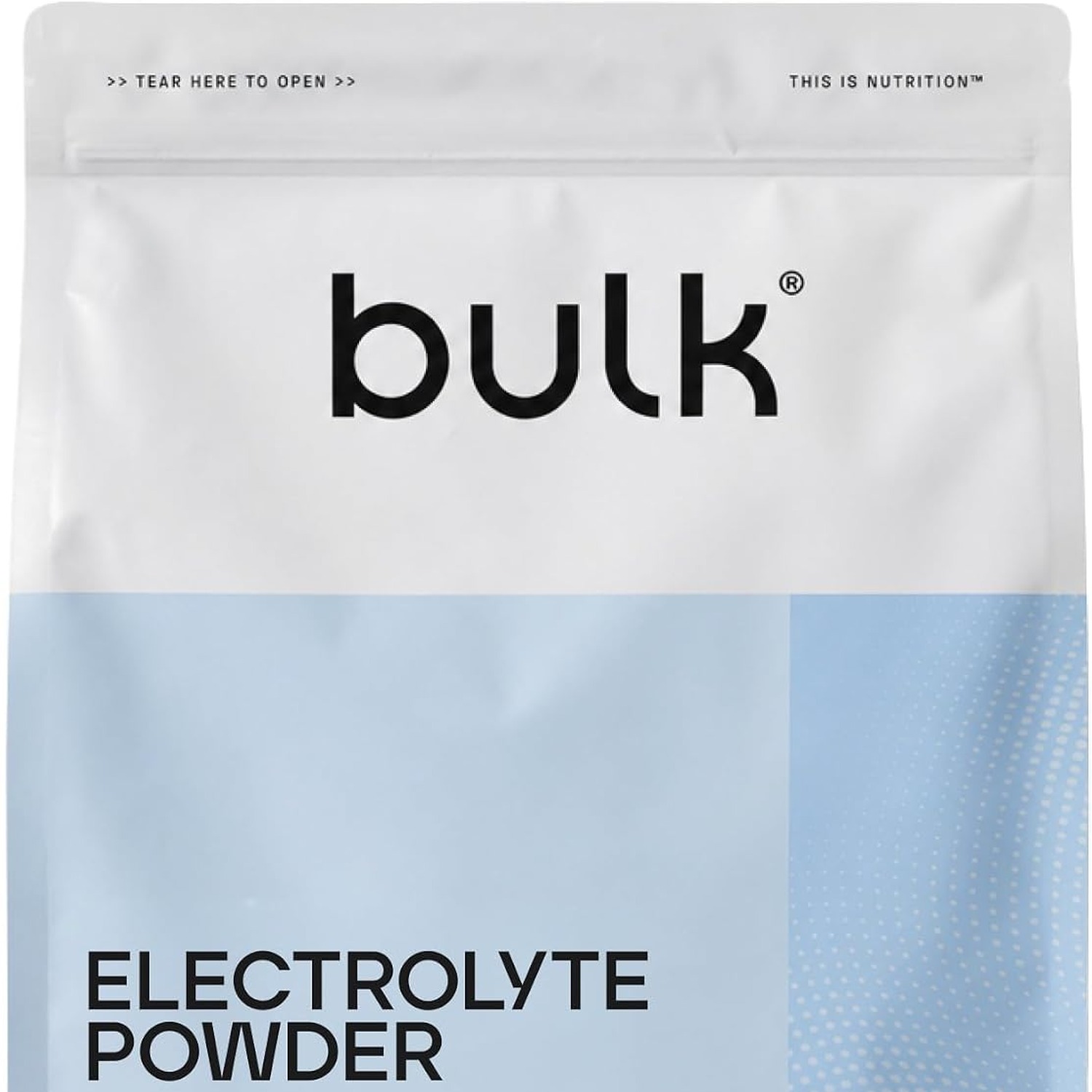
This product is an unflavoured electrolyte powder in a single 500 g pack. The maker's details lists a 1 g serving and an adult age range. Those are useful starting points, but they are not complete directions. This guide explains what to compare, what remains unknown and what to check before opening the pack.
Start with the format you actually want
Powder is a different buying choice from tablets or a ready-made drink. You need to check how a portion is measured and how the pack tells you to prepare it. A pack weight alone cannot answer either question.
Here, the item form is clearly listed as powder. If your search is for an unflavoured electrolyte mix rather than a flavoured drink or tablet, that matches the stated format. It does not confirm how quickly the powder mixes, what texture it has or how it tastes once prepared. Those details are not given by the maker.
Think about whether you are comfortable checking and following measured directions. A familiar-looking spoon is not enough to establish a portion. The pack instructions should guide your choice of measuring method.
What unflavoured does and does not tell you
The flavour is listed as unflavoured. That is useful if you are comparing plain electrolyte powder with products sold under named flavours.
It is not the same as a full ingredient statement. You cannot use the word unflavoured to confirm that a product contains no sugar, sweeteners, colours or other ingredients. The maker does not provide those details.
It also does not promise a tasteless result. Keep your expectations tied to what the label actually says rather than treating the flavour description as a guarantee about taste. If a particular ingredient matters to you, look for that ingredient by name in the full list.
This is worth doing before buying, especially if you have a strict preference about what goes into products you use.
Read the mineral information with care
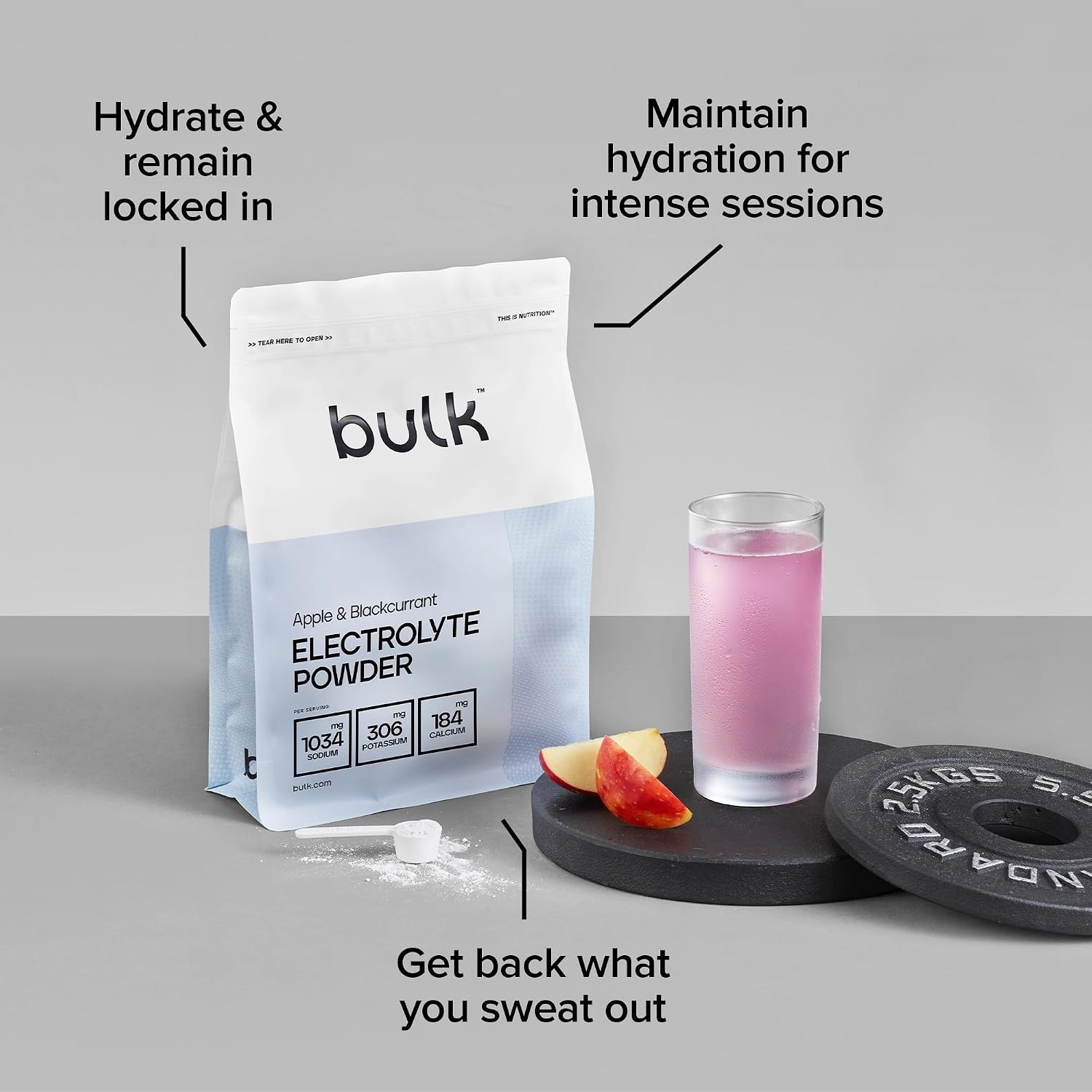
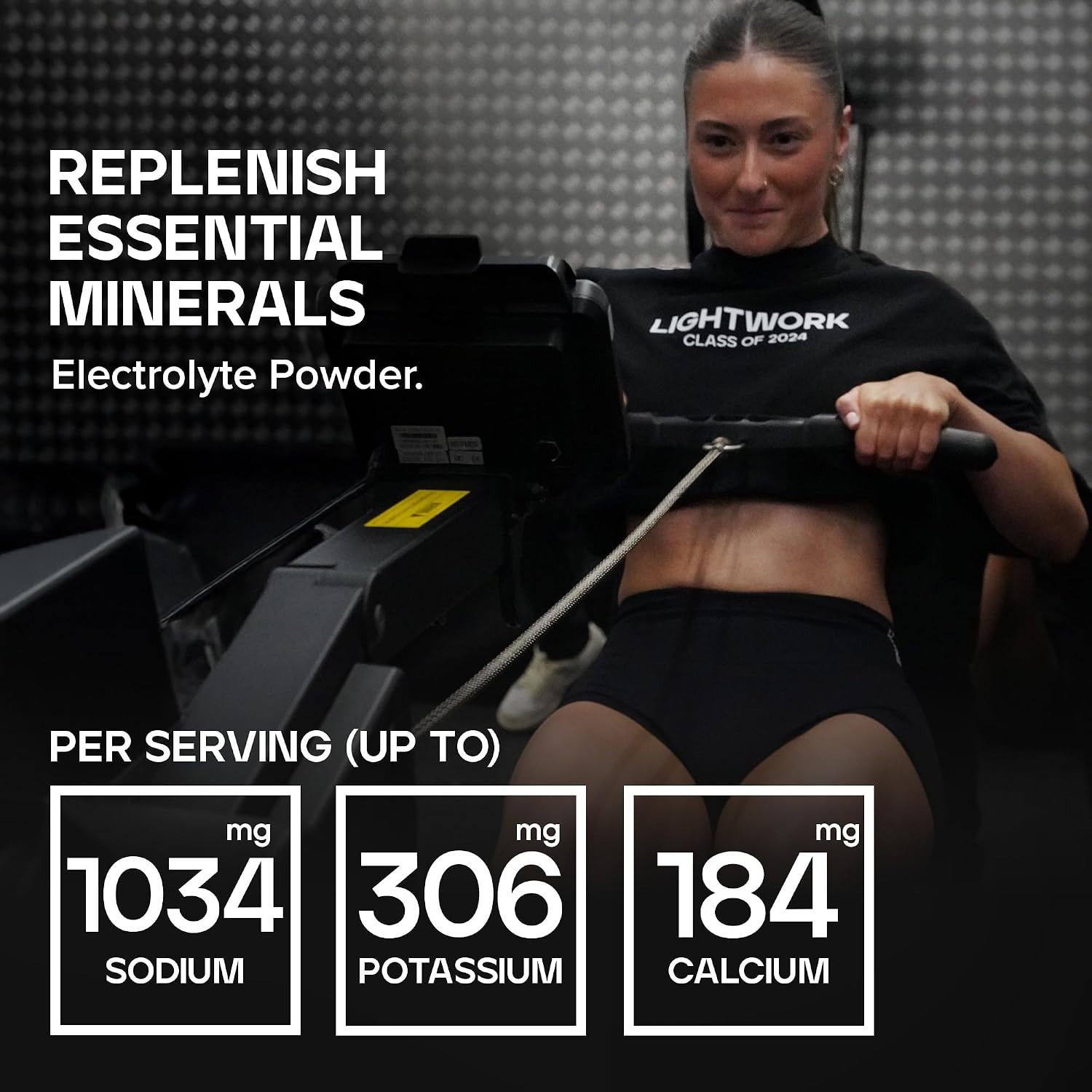
The maker's details names sodium, potassium, calcium and magnesium. Potassium is also listed as the primary supplement type.
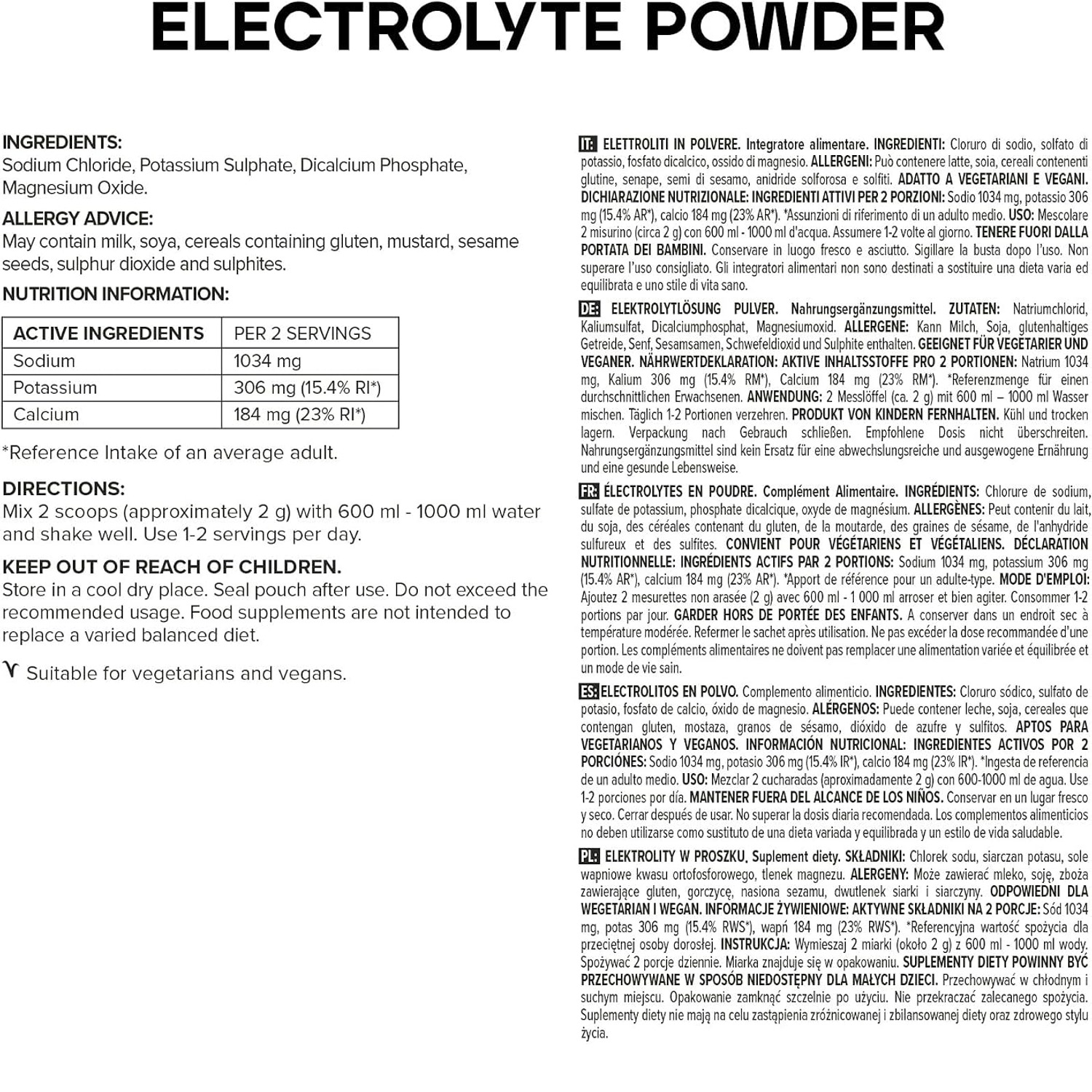
That gives a broad description, not a complete formula. The amount of each mineral per serving is not given by the maker. Neither are the full ingredient names or their proportions. You therefore cannot make a reliable like-for-like formula comparison using this page alone.
When comparing electrolyte powder ingredients, look for the same level of detail on each pack. A list of mineral names on one product and a full per-serving table on another are not equal sets of information.
The pack label is the final word on the formula. Read it before use, even if you have bought a product with a similar name before.
Separate serving size from preparation directions
The listed electrolyte powder serving size is 1 g. That is the only serving figure supplied here.
A serving size does not tell you how much liquid to use. It does not tell you how often to use the product, either. Those are separate instructions, and neither is included in the maker's description.
Do not fill those gaps with directions from another powder. Similar names and similar pack sizes do not establish that two products share the same preparation method.
A scoop is not confirmed. If one is present in the delivered pack, read the label to understand how it relates to the stated portion. Do not assume that a scoop from a different product is a suitable substitute.
Before preparing anything, find the full electrolyte powder directions on the packaging and read them together.
Compare the 500 g pack fairly
This is a single 500 g electrolyte powder pack. That weight gives you a useful basis for comparing packs of different sizes.
When checking price, keep the comparison consistent. Compare pack weight with pack weight, then check the declared serving details separately. A lower pack price does not, by itself, tell you how two different formulas compare.
The maker lists a 1 g serving but does not give a confirmed serving count. Check the pack for its declared number rather than treating a calculated figure as a promise about use.
You may also see this type of product described as bulk electrolyte powder. That phrase does not replace the actual weight. Here, the clear figure to use for a size comparison is 500 g, with one item in the maker's description.
Give the allergen statement a separate check
The dietary information needs particular care. The maker describes the diet type as gluten free, yet gluten also appears in its may-contain statement. Those details conflict.
This page should not be treated as confirmation that the product meets a gluten-free requirement. If that requirement matters to your choice, resolve the uncertainty before opening or using the pack.
The supplied may-contain list also includes crustaceans, egg, fish, milk, molluscs, mustard, sesame, soy, sulfites and sulphur dioxide.
Read the whole electrolyte powder allergen information rather than stopping at a dietary heading. A short label such as “unflavoured” cannot answer an allergen question. Nor does the maker's description confirm vegan, vegetarian or dairy-free suitability.
If the available information does not settle your requirements, pause the purchase or keep the delivered pack sealed while you ask for clarification.
Decide whether the listed audience matches
The age range is adult. That is the only age-related suitability detail supplied.
Do not read an adult description as guidance for children, and do not work out a child portion from the adult serving figure. The maker does not provide that information.
For an adult comparing formats, the useful questions are practical. Do you want powder? Is an unflavoured option what you intended to buy? Can you check the full ingredients and directions before using it?
An adult electrolyte powder label is still worth reading in full. The age range does not settle every question about personal suitability, ingredients or preparation.
If you are buying for someone else, ask what they need rather than choosing on the strength of the product name alone.
Check the physical details without overreading them
The listed dimensions are 18 x 7.5 x 25 cm, and the country of origin is United Kingdom. The weight is 500 g.
The maker's description also gives an item volume of 2.59 L. It does not explain that figure as a mixing volume or prepared-drink yield. Do not use it to decide how much liquid to add.
Dimensions can help you compare the listed size with your storage space, but they are not preparation instructions. Likewise, country of origin is a product detail, not a substitute for the ingredient list.
Packaging may vary. When your order arrives, check the product name, pack weight and current label rather than relying only on the pictures.
Keep storage and handling straightforward
The maker does not include specific storage temperatures, shelf life or an after-opening time limit. Follow the instructions on the delivered pack for those details.
As a general handling step, keep utensils clean and dry. Avoid introducing moisture into the powder and close the packaging between uses. Keep the label readable so that directions and allergen details remain easy to check.
Check the best-before date when the pack arrives. If there are separate instructions for use after opening, read those before breaking the seal.
Good electrolyte powder storage starts with the actual packaging instructions. A storage habit used for another powder may not cover everything this pack tells you to do.
Plan delivery and returns before opening
A confirmed delivery lead time is not given by the maker by the maker. For delivery to Ireland, check the information shown for your address before placing the order. Do not assume a particular arrival day from the product's availability alone.
On arrival, inspect the pack and read the label while it is still sealed. That gives you a chance to check whether the product matches your requirements before opening it.
For Ireland orders, returns are available within 14 days of delivery for packs that are unopened and in their original sealed packaging. The customer pays return postage.
Faulty or wrongly described goods are put right free of charge. Keep that separate from a change-of-mind return when checking which route applies.
The short version
Choose this product on its confirmed details: unflavoured powder, one 500 g pack, a listed 1 g serving and an adult age range. Sodium, potassium, calcium and magnesium are named, but full ingredients, mineral amounts and preparation directions still need a pack-label check.
Pay special attention to the conflicting gluten information and the wider may-contain statement. Keep the pack sealed until you have checked that it is the product you intended to buy. A careful label check is more useful than filling gaps with assumptions.